Deck & Patio Cleaning Wilmington NC
A gray deck is not just dirty, it is decaying. Salt air and constant humidity break down the surface fibers while mildew works into the grain. Cleaned correctly the wood comes back. Blasted with pressure it never does.
Tap to call now (472) 281-1810Get Your Free Estimate
Why Wilmington decks go gray and green faster than decks inland
Wood decks in this climate fight three things at once. UV breaks down lignin, the compound that holds wood fibers together, which is what turns the surface silver gray. Once that layer degrades it holds water instead of shedding it.
Then mildew moves in. Cape Fear humidity keeps the boards damp almost year round, and mildew works into the grain rather than sitting on top. That is the green and black you see in the shaded sections and along the north facing rail.
Salt air accelerates all of it. On Wrightsville Beach and Intracoastal properties, salt settles into the grain, holds moisture against the fibers, and pulls fasteners and hardware apart faster than the same deck would fail three counties inland.
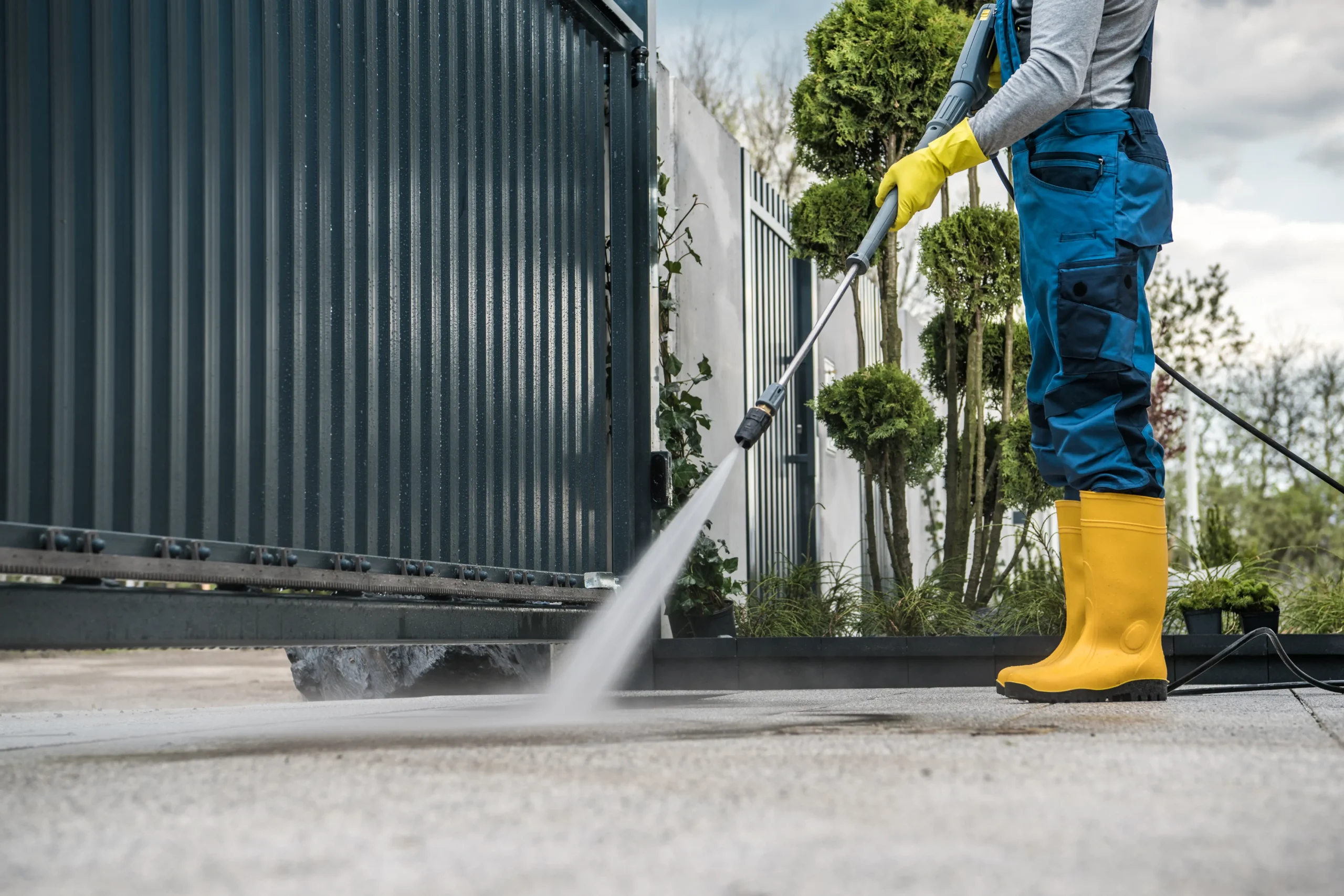
Most deck damage we see was caused by cleaning, not weather. A pressure wand at full strength tears out the soft grain between the growth rings and leaves the surface furred and fuzzy. That board will never take stain evenly again. Decks get cleaned with solution and low pressure, always.
Gray silvering on the surface
UV degrading the lignin in the wood fibers. The gray layer is dead cellulose that holds water instead of shedding it. Proper cleaning removes that layer and exposes sound wood underneath.
Green and black mildew
Grows into the grain, not on top of it, which is why scrubbing does nothing. It shows first in shaded sections and along north facing rails where the boards stay damp longest.
Composite and Trex decks
Composite does not rot but it absolutely grows mildew in the surface texture, and the manufacturers void warranties over high pressure. Composite gets a different solution and lower pressure than wood.
When to seal after cleaning
Wood needs 48 to 72 hours of dry weather before sealer goes on. Sealing damp wood traps moisture in the boards and the finish fails within a season. We tell you when your deck is actually ready.
Our deck cleaning process, start to finish
Protect the surroundings
Plants, shrubs and grass around the deck get soaked before any solution comes out, and rinsed again after. Nothing under or beside the deck gets damaged.
Solution and dwell time
Cleaner matched to your surface, wood or composite, applied and given time to break down mildew in the grain. The chemistry lifts it out so pressure does not have to.
Low pressure rinse
Rinsed at low pressure with the wand moving along the grain. This is what protects the board surface. No gouging, no furring, no wand marks across the deck.
Inspect and advise
We check for loose boards, popped fasteners and soft spots while we work and tell you what we find. Photos sent and honest advice on when the deck is dry enough to seal.
Deck cleaning pricing in Wilmington NC for 2026
Flat price by the deck. Sealing quoted separately because it depends on the wood and the weather window.
All prices include deck surface, rails and steps, plant protection, rinse and cleanup.
Deck cleaning FAQ for Wilmington NC
Will pressure washing damage my wood deck?
How often should I clean my deck in Wilmington?
Can you clean composite and Trex decking?
How long before I can seal after cleaning?
Will the gray come off completely?
Do you clean the railings and steps too?
Signs your Wilmington deck needs cleaning now
A deck does not go from good to bad overnight. It degrades one season at a time and most people only act once boards feel slick or look silver. Here is what to catch earlier.
Silver gray surface color
UV has broken down the lignin holding the wood fibers together. That gray layer is dead cellulose that holds water instead of shedding it, which speeds up everything else.
Green or black in the shaded sections
Mildew growing into the grain rather than sitting on top. It always shows first along north facing rails and under any section that stays shaded most of the day.
Boards feel slick when damp
Biological growth on wood becomes genuinely slippery when wet. On steps and around pool decks that is a real fall risk, not just a cosmetic issue.
Fasteners staining or lifting
Salt in the grain accelerates corrosion on screws and nails. Black rings around fasteners or heads starting to lift means salt has been working on the hardware for a while.
Water soaking in instead of beading
Drop water on a board. If it soaks straight in rather than beading, the sealer is gone and the wood is absorbing moisture directly. That is when rot risk starts climbing.
A year or more since the last clean
Shaded decks and anything within reach of salt air need annual attention here. Waiting two seasons means more solution, longer dwell time and a less complete result.
Planning to seal or stain? Call before you buy the product. We will tell you whether the deck is ready and how long it needs to dry after cleaning.
(472) 281-1810Deck and patio cleaning across Wilmington neighborhoods
Where your property sits changes how fast the problem comes back. These are the patterns we see week after week across New Hanover County.
Landfall
Live oak canopy keeps decks shaded and damp almost year round. Mildew grows into the grain faster here than any other neighborhood and rails hold it worst.
Wrightsville Beach
Heaviest salt exposure. Salt settles into the grain, holds moisture against the fibers and corrodes fasteners noticeably faster than inland decks. Twice yearly is common here.
Masonboro
Intracoastal humidity plus marsh air. Decks facing the water take the most salt and the boards nearest the ground stay damp the longest.
Porters Neck
Creek system and mature trees mean persistent moisture and heavy leaf fall. Tannin staining from decomposing leaves sits on top of the mildew problem.
Autumn Hall
Dense canopy means very little direct sun reaches most decks. Mildew is the dominant issue here rather than UV graying, and it needs longer dwell time.
RiverLights
Newer construction with a lot of composite decking. Composite does not rot but it grows mildew in the surface texture, and manufacturers void warranties over high pressure.
Ogden and Monkey Junction
More sun exposure means faster UV graying but less mildew. Pine sap is a common extra problem on decks near tree lines here.
Mayfaire
Residential decks plus commercial outdoor dining and patio areas. Commercial patios need scheduled cleaning to stay compliant with health inspection expectations.
Also serving Carolina Beach, Kure Beach, Leland, Castle Hayne, Hampstead and Topsail. No travel charge anywhere inside New Hanover County.
Ready to get your deck back?
Flat price. No gouging. Wood and composite safe. Serving Wilmington and New Hanover County.
(472) 281-1810